
Our surgeons regularly share valuable medical information, tips, and the latest advancements in surgical care.
Medically reviewed by Joshua Ellenhorn, MD, FACS, surgeon at Surgery Group LA · Reviewed October 14, 2026
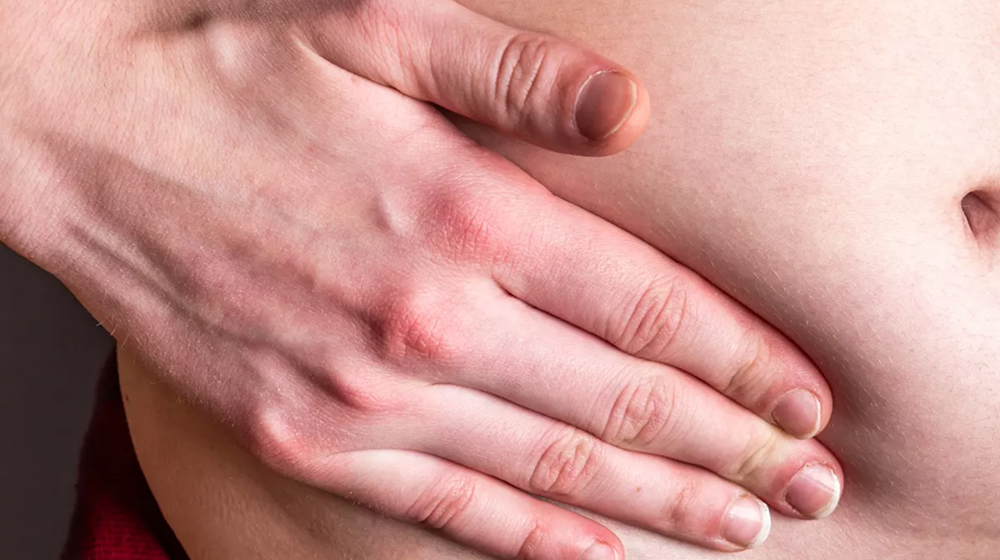
A firm lump near your incision in the weeks after hernia surgery is common, and in most cases it is part of normal healing, not a sign that the hernia has come back. The usual causes are a healing ridge of scar tissue, a pocket of fluid called a seroma, or swelling around the repair. These typically soften and shrink over weeks to months (Columbia Surgery). Call your surgeon if the lump is growing, very painful, red or warm, or comes with fever.

A true recurrence is less common than these healing changes, and it usually shows up months or years later rather than in the first weeks (Columbia Surgery). A recurrent hernia tends to bulge more when you cough, strain or stand, and it may flatten when you lie down or can be gently pushed back in. A seroma or healing ridge usually doesn't behave that way. If you're unsure, your surgeon can tell with an exam, sometimes with an ultrasound or CT scan.
Call your surgeon if you have (ACS):
Go to the emergency room for sharp abdominal pain with vomiting, a bulge that becomes hard, painful and can't be pushed back in, or if you can't urinate (ACS).
At Surgery Group LA, a post-operative lump is evaluated with a physical exam and, when needed, imaging. Most seromas and healing ridges are simply monitored. A large or uncomfortable seroma may occasionally be drained in the office, and a true recurrence is discussed along with repair options, including robotic hernia repair and repair of recurrent hernias.
Learn more about hernia surgery in Los Angeles at Surgery Group LA.
Our board-certified surgeons see patients at the Cedars-Sinai Medical Office Towers, 8635 W 3rd St, Suite 880W, Los Angeles. Call (310) 861-7493 or request an appointment.
This article is for general information and is not a substitute for medical advice. If you have severe pain, fever or vomiting after surgery, seek care right away.
This article is provided by Surgery Group LA, a team of board-certified surgeons at the Cedars-Sinai Medical Office Towers, 8635 W 3rd St, Suite 880W, Los Angeles, CA 90048. Our specialists care for patients from throughout Los Angeles, Beverly Hills, West Hollywood, and surrounding communities. To schedule a consultation or second opinion, call (310) 861-7493.
Colorectal SurgeryHernia SurgeryThyroid & ParathyroidGeneral SurgerySurgical OncologyBreast Cancer CenterRobotic SurgerySecond Opinion
Related articles from the same topic