
Our surgeons regularly share valuable medical information, tips, and the latest advancements in surgical care.
Medically reviewed by Joshua Ellenhorn, MD, general surgeon at Surgery Group LA · Reviewed October 14, 2026
Most people can go back to their normal diet soon after hernia surgery. There's no special hernia diet. What matters most for the first few weeks is avoiding constipation, because straining on the toilet puts pressure on the repair. That means plenty of water, fiber-rich foods, and going easy on anything that gives you gas or an upset stomach. Your usual cup of coffee is fine. If your surgeon gave you different instructions, follow theirs.
Yes, in most cases. Hospital discharge instructions for groin hernia repair say no special diet restrictions are needed afterward (University Hospitals), and that you can eat and drink as normal once you're home (Guy's and St Thomas' NHS).
If you feel a little queasy from the anesthesia on the first day, start with something light, like toast, crackers, soup or yogurt, and build up as you feel ready. It's also common to have a poor appetite for a week or two after surgery. That usually improves on its own (University Hospitals). If you've noticed you're eating less and losing a few pounds, see why weight loss after hernia surgery happens.
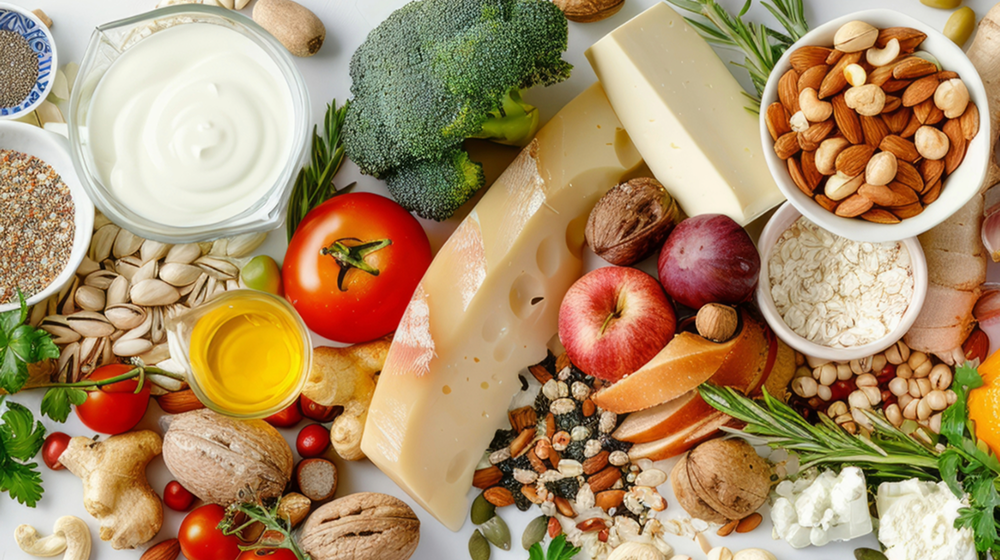
Pain medicine and moving around less can slow your bowels. High-fiber foods and plenty of water help keep things moving (MedlinePlus). Good choices include:
Yes, you can eat eggs, chicken and bread after hernia surgery. If your bowels are slow, choose whole-grain bread over white.
Protein helps your body heal, so try to include some at each meal, even if your appetite is small. If you weren't eating much fiber before surgery, add it gradually so it doesn't cause gas.
No food will damage your hernia repair. But some foods can make the first week or two less comfortable:
Yes. Your usual coffee or tea is fine after hernia surgery. Just don't let it replace water. Guy's and St Thomas' advises drinking plenty of water and juice and avoiding too much tea or coffee while you recover (Guy's and St Thomas' NHS). A warm drink in the morning can even help get your bowels going.
Skip alcohol for at least 2 days after anesthesia (Guy's and St Thomas' NHS). Don't drink while you're taking opioid pain medicine, and check the label of any medicine you're given for alcohol warnings.
Constipation is one of the most common complaints after hernia surgery, mostly because of pain medicine. Some people have loose stools for the first few days instead (University Hospitals). Constipation can put pressure on the repair and slow healing (Guy's and St Thomas' NHS). To stay regular:
Don't strain on the toilet. If you haven't had a bowel movement in a few days, call us rather than pushing.
The diet advice is the same whether you had an inguinal (groin), umbilical (belly button) or ventral hernia repaired: eat normally, focus on fiber and fluids, and avoid straining. Diet after hiatal hernia surgery is different. That operation is near the stomach and esophagus, and patients usually follow a liquid and then soft diet for a few weeks. If that's the surgery you had, follow your surgeon's written plan.
After most minimally invasive hernia repairs, patients go home the same day. Before you leave, we go over what to eat, which pain medicine to take, and how to keep your bowels moving, and you can call us with any question along the way. For what to expect week by week, see our hernia surgery recovery timeline. If you notice a firm area near the incision while you heal, read why there may be a hard lump after hernia surgery. Learn more about hernia surgery and ventral hernia repair at Surgery Group LA.
If you have a hernia or are planning surgery and want to know what recovery will look like for you, we're happy to help. Our surgeons see patients at the Cedars-Sinai Medical Office Towers, 8635 W 3rd St, Suite 880W, Los Angeles. Call (310) 861-7493 or request an appointment.
This article is for general information and is not a substitute for medical advice.
This article is provided by Surgery Group LA, a team of board-certified surgeons at the Cedars-Sinai Medical Office Towers, 8635 W 3rd St, Suite 880W, Los Angeles, CA 90048. Our specialists care for patients from throughout Los Angeles, Beverly Hills, West Hollywood, and surrounding communities. To schedule a consultation or second opinion, call (310) 861-7493.
Colorectal SurgeryHernia SurgeryThyroid & ParathyroidGeneral SurgerySurgical OncologyBreast Cancer CenterRobotic SurgerySecond Opinion
Related articles from the same topic